The Art of Layering Rugs: Adding Dimension to Your Flooring Design Apr 23, 2026
Let's begin by exploring why layering rugs is a technique worth mastering. Layering rugs allows you to showcase multiple textures and patterns within the same space, adding depth and character, much like combining visual elements in a painting to create a richer story. Whether you're working with hardwood, tile, or stone, layering rugs adds a tactile element that’s both visually appealing and practical for defining spaces within open floor plans.
To start layering effectively, choose a base rug. Generally, this is a larger neutral area rug that provides a foundation for your design. Natural fibers such as jute, sisal, or wool make excellent base rugs because of their versatile textures and subdued colors. They provide a canvas that complements any additional colors or patterns you decide to introduce.
Once you have your base, move on to selecting your accent rug. This is where you can let your creativity shine. Focus on smaller rugs with bold patterns or vivid colors that align with the room's existing color scheme. Popular keywords in rug fashion today include Persian, shag, or kilim rugs, each offering a distinct style. The key is to ensure that the accent rug is smaller than the base rug, allowing the different layers to peek through and create that desired sense of dimension.
Placement is another critical aspect of successfully layering rugs. Start by positioning the base rug to cover the majority of your workspace, ensuring all major furniture pieces rest comfortably on it. Then, drape your accent rug slightly askew or directly on top, depending upon the dynamic you wish to create. Don't shy away from experimenting; slightly overlapping rugs can introduce a sense of movement and fluidity.
One essential tip is to avoid clutter. While layering can highlight a room's features, too many rugs can overwhelm the space, making it appear smaller and untidy. Two to three layers are often sufficient unless the room is exceptionally large. Moreover, using rug pads underneath each layer not only protects your flooring but also keeps the rugs in place, preventing potential slips or trips.
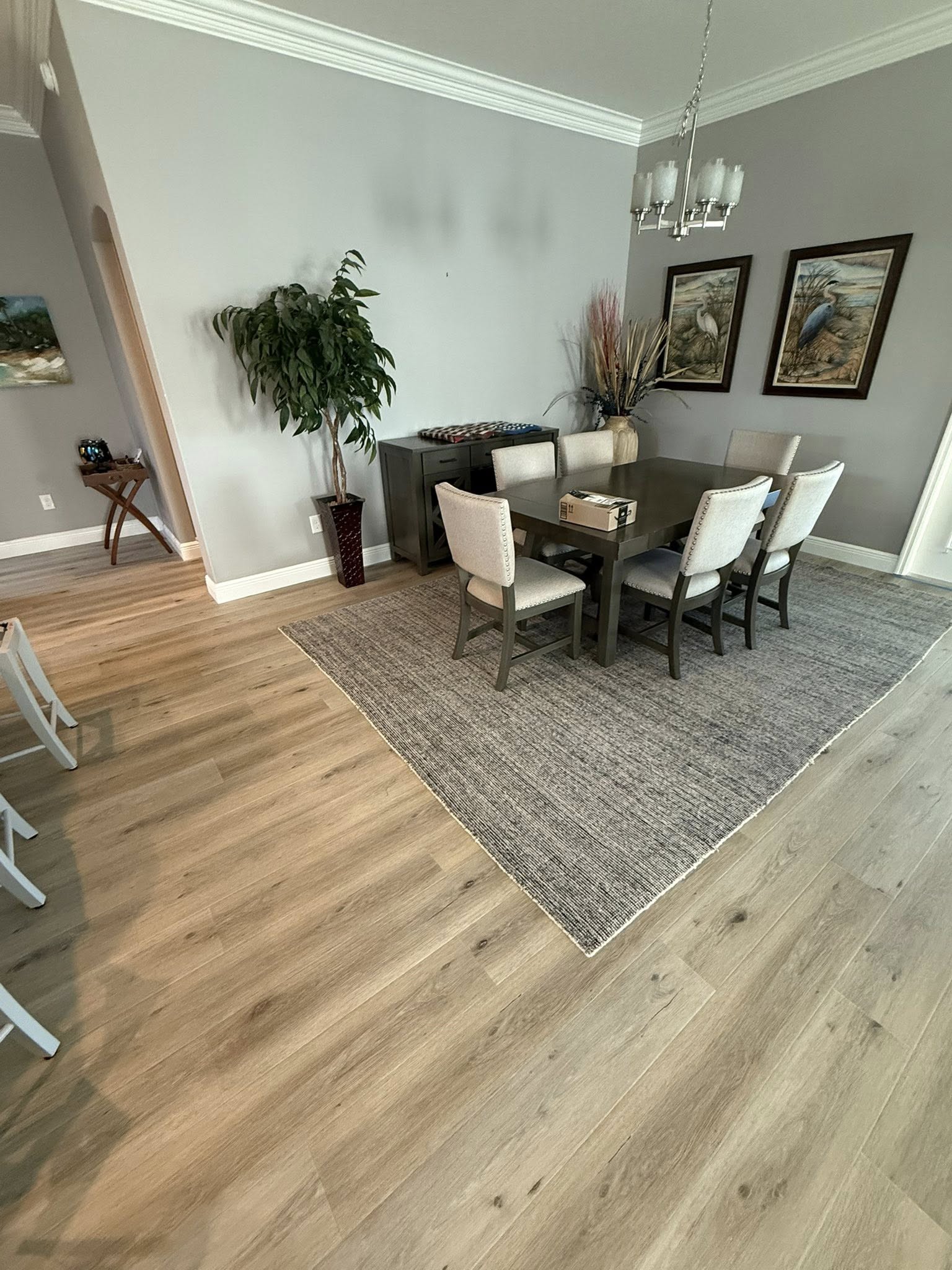
It's also worth noting that layering rugs is not exclusive to living rooms. Try this strategic layering in bedrooms under the bed or in dining areas to anchor your dining set. The versatility of this technique is one of its greatest strengths, and its applications are as expansive as your imagination.
In conclusion, layering rugs is an art form that combines functionality with aesthetics, enhancing your home's flooring design in captivating ways. At Royal Palm Floors & More, we understand the power of a well-chosen rug and how it can transform your space. Embrace the art of layering and explore the endless possibilities that rugs have to offer. Start creating a multi-dimensional look that not only complements your flooring but elevates your entire home design.