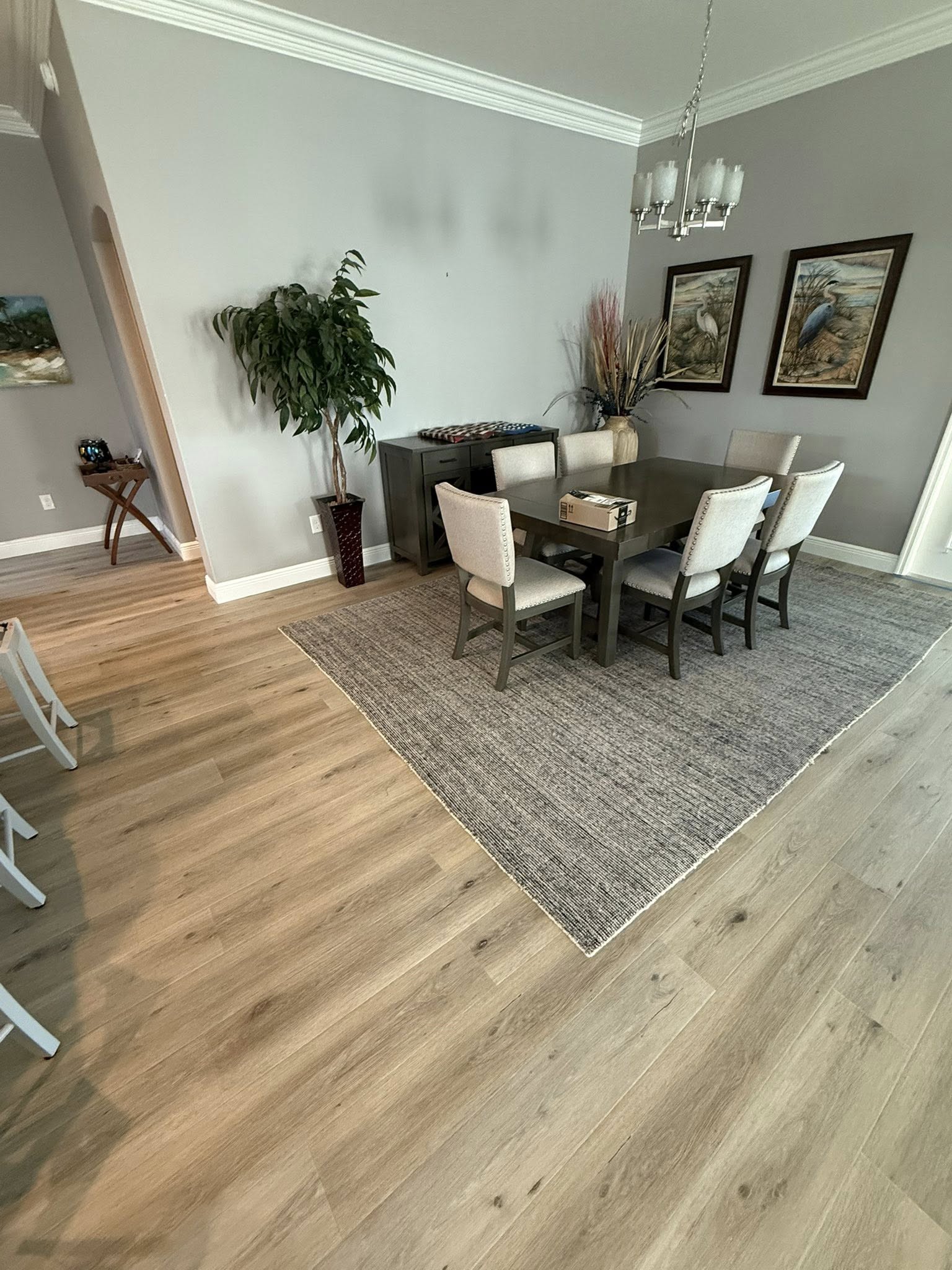
Maintaining Your Floors: Expert Tips for Long-lasting Beauty Mar 26, 2026
Firstly, regular cleaning is vital. Dust and dirt act like sandpaper on flooring surfaces, causing tiny scratches that dull the finish over time. Whether you have hardwood, laminate, or tile floors, keeping them free of debris is essential. For hardwood floors, sweep with a soft-bristled broom or use a vacuum with a floor-brush attachment. Remember that water can warp wood, so if you do mop, make sure it’s only slightly damp with a cleaner recommended for wood floors. For tile and laminate floors, a mix of hot water and vinegar can work wonders in lifting dirt and grime without leaving a soap residue.
Preventive measures are equally important in maintaining floor quality. One of the simplest actions is placing doormats at all entrances to minimize the amount of dirt that enters. Another easy fix is using rugs or carpet runners in high-traffic areas to protect the floors underneath. Felt pads under the legs of furniture prevent scuffs and scratches when items are moved. Encourage family and guests to remove shoes before stepping on wood or carpeted areas to further reduce dirt and potential damage.
Understanding your floor type is pivotal in applying the correct maintenance techniques. Each flooring type has its own set of care instructions. Hardwood floors, while stunning, require regular polishing and possibly refinishing every few years, depending on foot traffic. Laminate flooring, with its protective coating, is less high-maintenance but should never be polished. Tile floors need regular sealing to prevent grout from absorbing stains. Make sure you identify your floor type correctly to apply the most effective maintenance routine.
It's also advisable to watch environmental factors. Changes in temperature and humidity can affect your flooring, particularly wood. Wood expands in humid conditions and contracts when it's dry. Consider using a dehumidifier in particularly moist areas of your home. In dry winters, humidifiers can help maintain a stable environment that protects your flooring from excessive contraction and gaps.
Incorporating a seasonal checklist into your routine can greatly extend the life of your floors. In spring, conduct a deep clean by getting into corners and behind furniture. Summer is a good time to reseal any tile or stone flooring to help maintain their water resistance and look. Fall can be ideal for refinishing hardwood floors before the winter months cause the wood to become dry and brittle. Finally, use winter months for routine maintenance focused on preventing the tracking of snow and salt into the home which can damage all flooring types.
End by reminding yourself that a little effort goes a long way in maintaining your floors. By integrating these practices into your house care regimen, you can uphold the quality and aesthetics of your flooring. Royal Palm Floors & More is here to support all your flooring needs, ensuring that your home remains a haven of comfort and style. For any flooring concerns or services, don’t hesitate to reach out to our expert team who are always ready to assist.